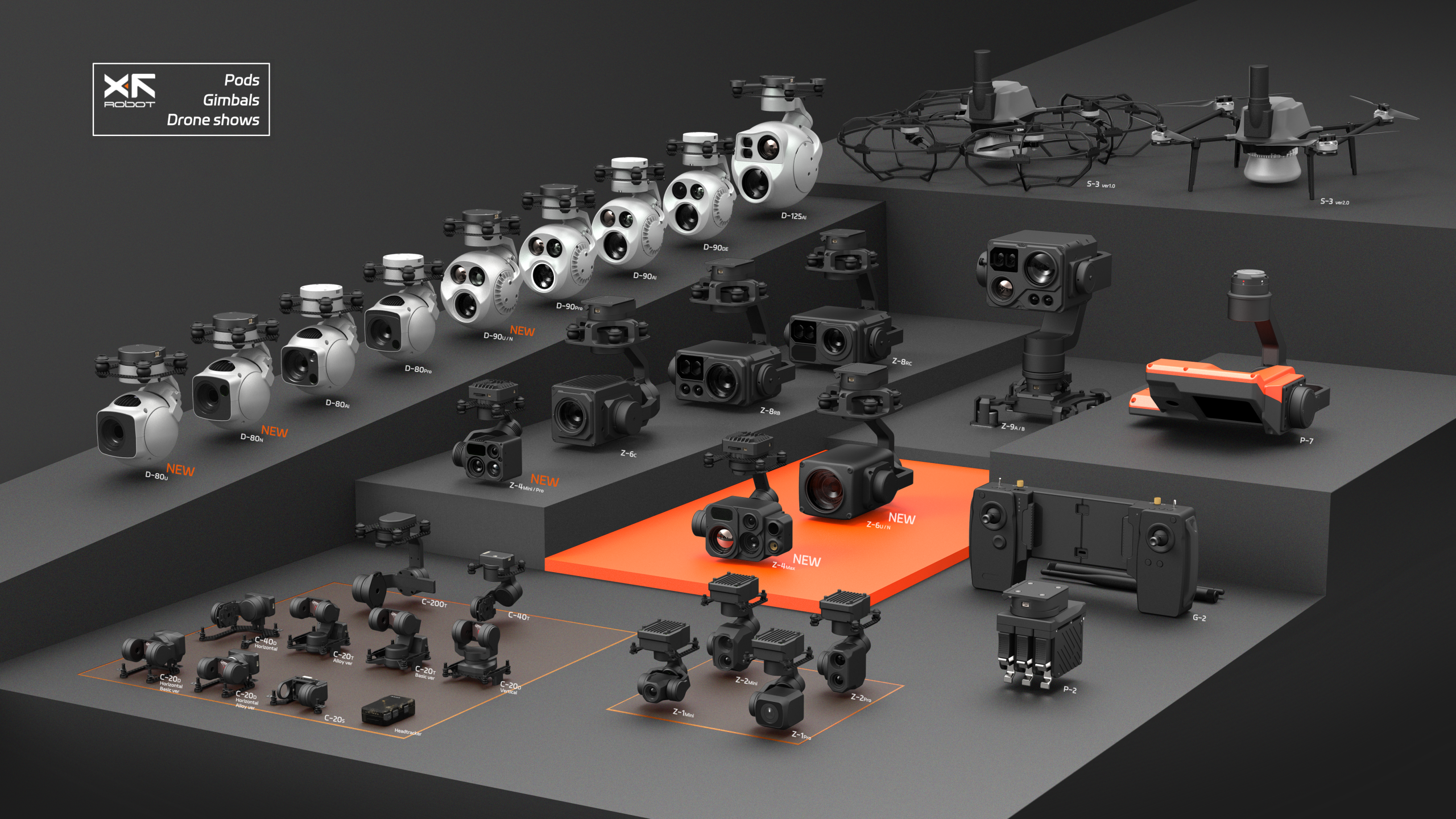
Greetings for one complete overview with respect to balancing technology together with thermal sensing via remote-controlled apparatuses.
Mount Advantages for Flying Machine Camera Enhancements
Airborne machines are enjoying remarkable growth in camera systems. Refined gimbal apparatus now allow incredibly fluid footage, under turbulent environments. Furthermore, the inclusion of thermal scanning offers new opportunities for evaluation in fields like crop-monitoring, providing valuable insights beyond what normal light cameras can acquire. These connected technologies are fundamentally transforming the sphere of aerial filming.
Viewing into the Night: UAV Systems with Dark-View & Balancing Mechanisms
The up-to-date landscape of unmanned aerial devices is being revolutionized by advancements in camera capabilities. In particular, the combination of night vision capabilities and refined gimbal mechanisms allows for unprecedented sharpness during nighttime tasks. These potent cameras, often utilizing infrared vision, can reveal darkness, providing crucial inputs for guarding purposes. Also, the gimbal technology effectively minimizes vibration, resulting in remarkably stable footage even in challenging conditions. Considerations like fineness and cadence are regularly paramount for superior output.
- Expanded Strategic Comprehension
- Raised Radius of Service
- Meticulous Records Collection
Unmanned Aircraft Camera Analysis: Gimbal, Heat-Sensing Photography, Telephoto & Twilight Observation
Selecting the appropriate UAV camera represents a demanding determination. Evaluate the different versions available: mounted systems present smooth, high-quality footage; infrared-based cameras surpass in obscure conditions by identifying heat indications; telephoto lenses permit you to magnify distant elements; and dim vision capabilities utilize cutting-edge techniques to record imagery in deficient light. The best blend is subject to the targeted application.
Such Emerging of Robotic Recording Systems: Uniting Heat & Blackout Imaging
Traditionally, Autonomous sensors dedicated on standard light monitoring. Nevertheless, innovative requirements in areas particularly emergency response & inspection necessitate improved perceptual details. Integrating infrared-based modules alongside low-light viewing abilities grants users a important advantage, empowering experts to detect items obscured from common shine. The fusion significantly gimbal stabilizer boosts strategic effectiveness across a extensive set of scenarios.Balancing Strength Joins Thermal Vision: A Advanced Era for UAV Imaging
Such new period dedicated to flying photography started, motivated as a result of a merging pairing leading-edge stabilization platforms combined with accurate heat-sensing imaging. Such combination grants personnel allowing them to record more precise thermal details via pilotless craft, amid challenging weather situations, disclosing new scopes within different markets namely assessment, emergency along with precision farm management.
Flying System Camera Close-Up Capabilities: Balancing Distance & Gloom Monitoring
Advancements in Drone technology are constantly improving camera magnification functionality, but a vital challenge involves balancing distance and gloom monitoring. Extending an long-range capability to get outlying objects often weakens radiance sensitivity, allowing clear dark imagery arduous. Designers are studying state-of-the-art strategies, including advanced lens systems and coding refinements, to alleviate the trade-off and present precise imagery at different distances, even under deficient glow environments.
Selecting certain Optimal UAV Sensor: Gimbal, Infrared-Based, & Variable Focus Factors
Once picking the UAV optical instrument, diverse important issues are required to be assessed. One steady gimbal is imperative for clear airborne recording , especially in blustery situations. Infrared-Based sensors supply useful view for purposes like evaluation and retrieval activities. Finally, close-up capacity potential permit sharper looks of features, though amplified zoom frequently causes diminished display resolution and compels more radiance.
{Night Vision UAV Cameras: Elevated Protection with Dampening Support
Up-to-date unmanned aerial vehicles are reshaping security processes with the integration of night vision apparatuses. Crucially, supporting framework secures exceptional steadiness for the recording mechanism, helping clear recordings even in rough conditions or during piloting. This aspect considerably strengthens patrol success and provides a vital perk for officers and numerous organizations requiring dependable nighttime assessment.
State-of-the-art Autonomous Detection Frameworks: Combining Optical Heat & Dark Viewing
Modern remote-controlled systems are commonly equipped with top-tier camera arrangements that go beyond basic photography. These groundbreaking solutions frequently include a blend of impressive technologies, like variable optical capabilities for close-up inspection, infrared imaging to identify thermal anomalies, and night vision technologies to assist operation in complex atmospheres. This amalgamation provides professionals with a important lead in several areas, from crisis management to facility evaluation and safety inspection.