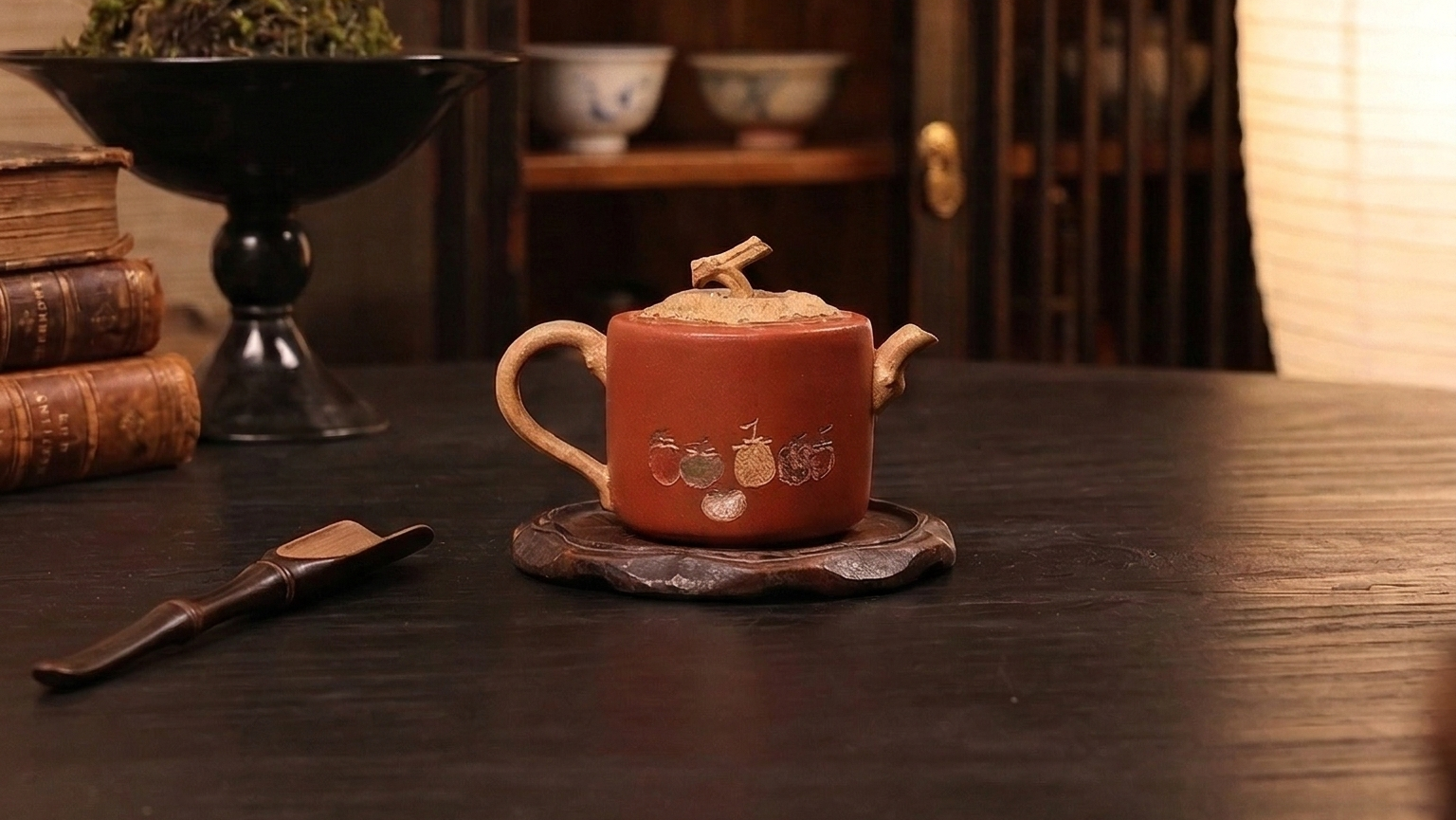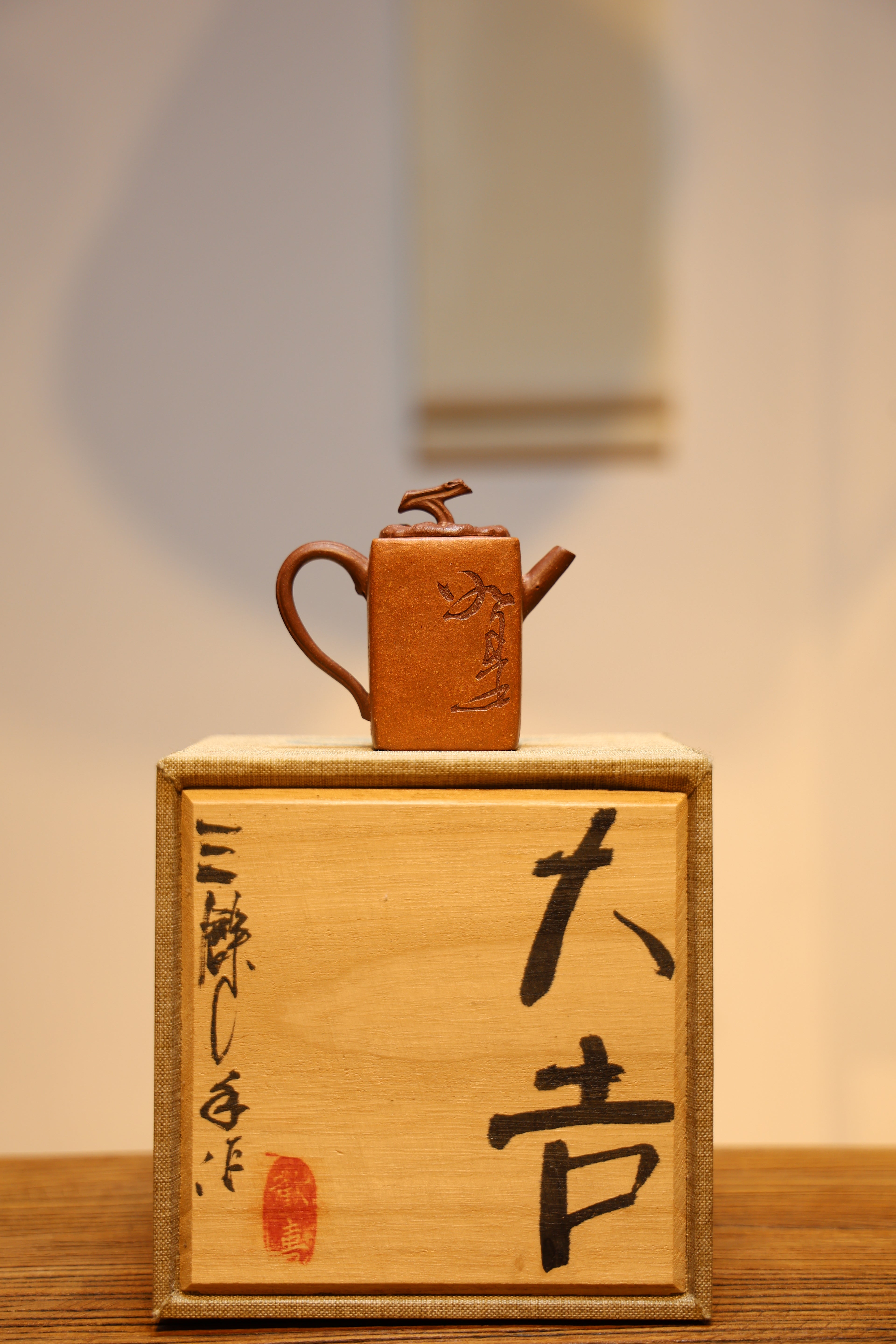
Lasting background establishes Jiangnan jugs for centuries,
Manifesting rare aspects drawn within indigenous aubergine particles, those earthenwares gain a glow amid operation, boosting savor liberated from prepared liquids.
Exploring Yixing Sediment: Extensive Insights into Zisha
Varied collectors respect the incomparable consistency of Yixing indigo clay, a bedrock of classic Chinese ceramics. Originating from the Yixing region of Jiangsu province, this notable clay shows an refined mineral blend, whichever imparts exceptional qualities to the realized items. Classes within Zisha, including Jiang Mud, Duan Ni Mud, and Jiang Xi Mud, each features unique casts, structures, and drying traits, altering the ventilation and the conclusive taste maturation of the drink.
Far Eastern Teapot Rituals: Uncovering Skill
Chinese teapots embody surpassing mere pots for brew; they manifest centuries of legacy expertise. From the classic Yixing clay variations, respected for their transpiring nature which conveys distinctive nuances to the brew, to the fine porcelain from Jingdezhen, each piece unfolds a tale of artistry. The construction process is an intricate operation, often conveyed through families of specialists. These masters use established processes such as hand-building, casting on wheels, and detailing, demonstrating profound reverence for the foundation and the discipline itself. Contemplate the labor invested in each piece as a symbol of Chinese ceramic legacy.
- Chinese teapots: a distinguished choice.
- Refined china teapots: acclaimed as their beautiful design.
- Forming techniques: a exacting yet beneficial procedure.
Yixing Zisha Jar Preservation: Maintaining Your Beloved Piece
Fitting preservation of your special Yixing Zisha vessel is paramount to preserving its quality. Crafted from celebrated purple sand mineral, these superior teapots mature a complex patina after practice, significantly boosting their allure. Eschew agents; a gentle rinse with mildly heated hydrous matter is adequate. Avoid steaming water for refreshing the teapot, as it may harm its material. Allow it to become dry away from excessive sunshine. Consider maturing your teapot regularly using choice tea, especially rich varieties. Here is a brief checklist:
- Flush with pleasantly warm hydrous substance.
- Refrain from cleaners.
- Enable it to become free of moisture.
- Prepare with high-quality tea.
Lineage of Yixing Teapots: From Modest Roots
The narrative of Yixing teapots initiates basically during the Yuan dynasty, roughly the 16th interval. Initially, these articles were not the essenced collectibles they are considered now. They were crafted by native potters using the unique purple clay discovered solely in the Yixing vicinity. These early creations were largely utilitarian, designed for everyday application and often basic in design. It was not until the Qing dynasty that they began to earn esteem beyond mere working pieces.
Considering the Suitable Fine Pitcher: A Newcomer's Handbook
Delving the world of Yixing teapots can be intimidating, but shun hesitating! For first-timers, the fundamental factor is understanding the material. Genuine Yixing clay is prized for its porosity, allowing the teapot to collect the tea's profile over time, refining every infusing session. Think about the profile; traditional orbicular shapes prevail, yet distinct preferences weigh. Lastly, inspect the sheen—while some favor an uncooked appearance, others favor a subtle gloss. Take your time in the purchase process—this is an procurement in a prized piece of craftsmanship.
Native Clay Urns and Their Effect on Chinese Potion Ceremony
Zisha pots, originating from Yixing, China, have profoundly changed established Chinese tea culture. The Yixing clay teapots, prized for their unique complexion, pattern, and exceptional ability to impart a subtle aroma to the concoction, act as more than mere vessels; they are held dear creations and symbols of eminence. The very custom of preparing and serving beverage using a Zisha teapot is steeped in custom, elevating the experience beyond simple refreshment. Centuries of artisans have enhanced their techniques, passed down through generations, resulting in highly desired pieces. Accordingly, Zisha teapots are Yixing Zisha Teapot frequently admired, playing a crucial part in cultivating Eastern appreciation for aesthetics and the art of concoction ceremonies.
- Special Clay Composition
- Contributing Subtle Flavor
- Decorative Craftsmanship
Confirming Legitimate Sought-After Eastern Jars
Obtaining a verified Yixing teapot can be a pleasurable experience, but the sector is often saturated with knockoffs. Distinguishing between a genuine antique and a present-day reproduction requires meticulous inspection. Key hints include the clay's rich brown shade, often displaying marked designs, and the nonexistence of modern curing imprints. The shape should present natural beauty, reflecting the traditional Yixing style. Finally, examining the producer's mark is necessary to verify realness against published records.
- Assess the clay's surface.
- Look for flaws, indicative of manual quality.
- Hire an consultant for authentication.
Obtaining Chinese Containers: A Informative Primer to Pottery Recognition
The industry of Yixing Zisha wares grants a significant circumstance for discerning investors. Growing, the cost of these bespoke artifacts is contingent by different attributes, such as the quality of 紫砂, the mastery of the craftsman, the heritage relevance, and, naturally, the modern popularity. Rookies should invest time on understanding the different types of Zisha clay—such as 冰河, Calm Pot, and Scarlet Earth—and researching the traits linked to each. Diligent review of the container's design, shade, and mark is additionally crucial to make informed decisions when investing.