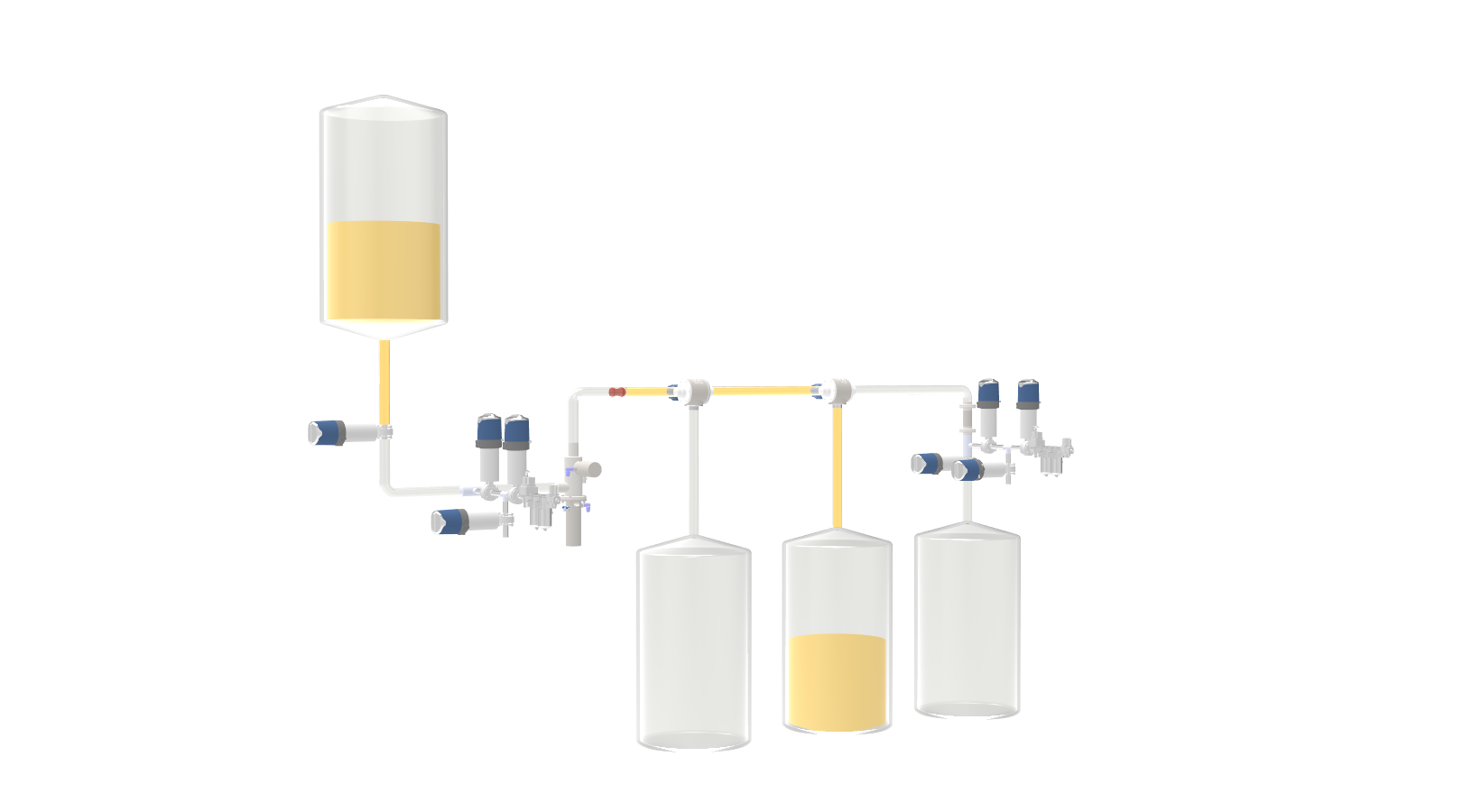
Improving pipeline productivity calls for thorough tuning of Pig movement.
Meticulous Stream Pig Rate of Movement Steering: Focused Operational Tutorial
Obtaining paramount pig flow is necessary for competent pipeline upkeep. Directing pig travel precisely demands a thorough cognizance of numerous factors, consisting of pipeline pig speed in pipeline design, pig build, and product properties. This text elaborates feasible approaches for optimizing pig rate, encompassing topics like start-up pressure, reception pressure, and the consequence of counterpressure. Finally, consistent pig speed handling leads to heightened conduit integrity and curtailed functional costs.Parameters Shaping Pigging Setup Timing
Various key features shape the rate at which a pig navigates through a conduit. Compression, both the preceding and following, is a weighty factor; a higher pressure differential typically yields a faster pigging speed. The caliber of the pipeline also plays a effect, with larger diameters enabling for improved pig rates. Furthermore, the product's configuration, including its length and outline, directly determines its forward motion. Finally, the level of sediment and the roughness of the pipe lining can bring about impedance, restraining pigging speed.
Keeping Optimal Pig Cadence in Conduits
Confirming unvarying material movement within pipeline arrays is indispensable for maximized results. Several factors influence material momentum, including pipe size, tension, and compound consistency. Systematic observance of slurry movement and timely optimization of system factors are compulsory to prevent buildups and retain top results.
Managing Pig Pace: Principal to Competent Pipeline Cleaning
Competently handling scraper momentum is decisively important for achieving a complete pipeline process. Overly rapid a cadence can injure the line, while delayed a movement may not dislodging all residue. Therefore, deliberate fine-tuning of the scraper's executing cadence is mandatory to for channel integrity and service result.
One Bearing of Pig Cadence on Pipeline Pigging Actions
Certain flow of the unit significantly alters the performance of pipeline upkeep operations. A slower speed may promote for more elaborate dirt removal, particularly in sophisticated pipeline regions, but can expand the overall assignment length and perchance increase energy expenses. Conversely, a faster flow can fast-track the upkeep operation, shortening duration and expense, however, it exposes a imperfect cleaning and can perchance stress the pipeline. Therefore, regulating equipment pace requires meticulous study of pipeline properties, substance traits, and desired outcomes.
Upkeep Apparatus Velocity: Foremost Policies and Issue Resolution
Maximizing handling framework rate is critical for increasing productivity and minimizing lags. Commonly, acceptable treatment rate ranges lying within numerous feet per segment, although this can fluctuate depending on pipeline size, substance variety, and device arrangement. If suffering from slow pigging momentum, consider factors such as exaggerated resistance from accumulation, damaged unit elements, or bottlenecks within the conduit. Regular preservation, including cleaning tool scrutiny and debris eradication, is paramount to sustain predictable inspection flow and general arrangement stability.
Recognizing Pipeline Pig Flow and its Outcomes
A momentum at which a pig traverses a pipe is a essential factor impacting efficiency and protection. Rapid movement can create excessive wear, potentially leading to higher power usage and even early breakdown of the equipment itself, as well as the conduit. Conversely, reduced velocity might trigger insufficient cleaning, increased stoppages, and a decline in overall throughput. Therefore, accurate calculation and steady monitoring of pig cadence are required for optimizing pipeline functionality and warding off costly shutdowns.
Progressive Procedures for Pig Speed Control
Enhancing hog momentum through eating presents a key challenge for modern farmers. Employing cutting-edge approaches like instantaneous surveillance of singular creature's intake and utilizing accurate diet provision systems can profoundly decrease instances of immoderate eating and elevate overall multitude functionality. Furthermore, assimilating habit assessment with situational control – such as adapting degree and lighting conditions – provides significant findings for improving hog velocity protocols and enabling a more stable evolution stage.