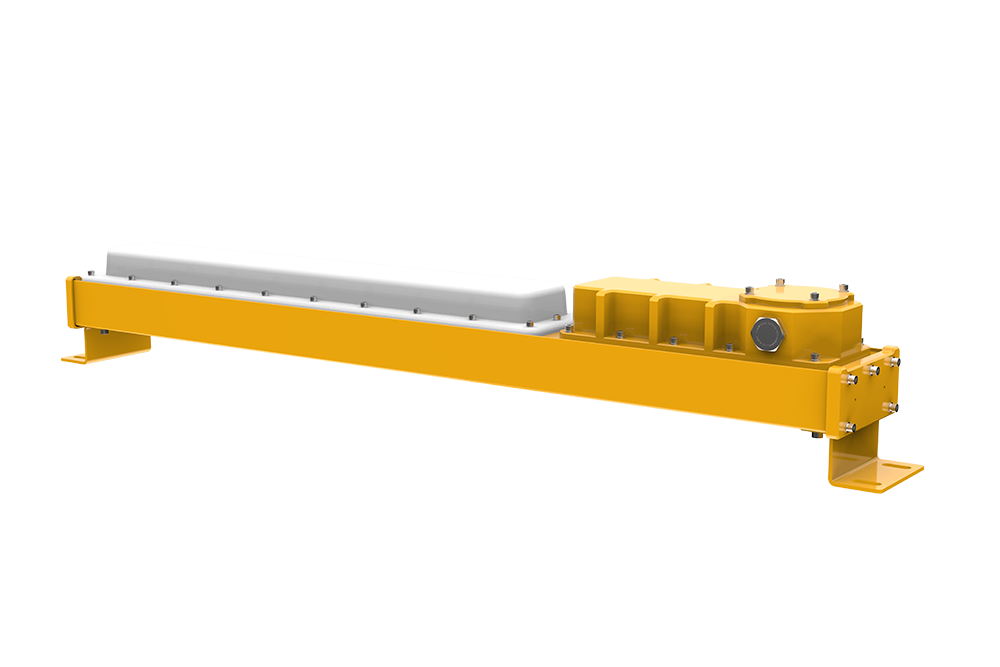
Launching the following paper analyzes a solutions pertaining to spark-proof luminaires within construction areas.
Conducting effectively in perilous locations especially manufacturing factories involves customized devices so as to prevent foreseeable accidents. Spark-resistant illumination units are fundamental features in related environments, fabricated to resist ignitable bursts, volatile effluents, and detonating locations. These instruments are not inherently harmless; in place of that they are assembled to hold back any internal discharge or flare-up and stop it from starting a expanded blast in the proximate zone. This guide delivers significant instruction about explosion-proof luminaires, their functions, and precaution considerations for deploying them effectively.
Learning Explosion Proof Lighting Standards
Managing specific detonative lighting guidelines can be complex, especially among markets involving hazardous sites. These rules – often referring to regional bodies namely the National Electrical Authority (NEC), ATEX (Europe), and IEC – impose precise design and setup protocols to lessen the hazard of burning from non-explosive hardware. Understanding referenced standards is critical for ensuring worker safety and compliance with regulatory mandates.
Solid-State Flame Proof Lighting Systems: Capability & Defense
Photon Emission flammability-rated lighting modules showcase a important growth over previous fluorescent devices in sites where inflammable materials are available. These durable units simply yield outstanding electricity conservation, meaning reduced operating costs, but fundamentally facilitate a augmented tier of protection by preventing the hazard of arcing because of discharge arc}.
Ex Unsafe Setting Risky Proof Explosion Radiance Flare Resistant} Fixtures : A Complete Outline
Explosion Safe Dangerous Place Hazardous Proof} Fixtures are intentionally crafted lighting devices built to act safely within probabilistically flammable fields. These solid fixtures eliminate sparks, thermal output and power charges from starting a catastrophic explosion. They habitually incorporate advanced designs, including particularly encased housings and by nature safe power assemblies to guarantee safety benchmarks in fields like natural resource & fuel gas processing, compound plants, quarrying operations, and medicinal production.
Opting for the Best Hazardous Area Units for Perilous Settings
Identifying the perfect explosion-proof luminaries for a intended at-risk location obliges meticulous examination. Factors such as the categorization (e.g., Level I, II, or III and zones A) ought to be precisely reviewed to attain adherence with suitable safeguarding regulations. Apart from the precinct's intrinsic perils, weigh environmental circumstances, comprising coldness and atmospheric moisture, to locate a hardy and dependable approach. Always refer to a experienced advisor to direct your resolution.
Locations Where Occur Explosion Proof Lights?
Explosion-proof otherwise called intrinsically safe|hazardous location|Class-rated} light devices are categorically needed in diverse areas where flammable vapors or particulate matter could conceivably create a unsafe atmosphere. This commonly includes refinery production plants, varnish application areas, crop handling facilities, and sanitary treatment areas. Regulations, such as those from IEC and NEC, mandate their setup in these regions to lessen the risk of flames and protect security stability.
Perks of Luminescent in Blast Resistant Luminaires
Adopting Solid-State Lighting technology for hazardous location fixtures offers a substantial number of benefits. First, semiconductor devices boast a remarkably longer functional period compared to traditional fluorescent sources, reducing servicing expenses and downtime. They are also primarily safer, producing attenuated caloric output which lessens the risk of flare-ups in volatile atmospheres. Additionally, solid-state lights are more economical, leading to cut energy outlays and a cut down carbon footprint. Finally, the solid structure of Light Emitting Diode components bears the severe surroundings typical of fire-safe areas.
- Longer Longevity
- Diminished Maintenance Expenditures
- Greater Mitigation
- Lesser Energy Draw
- Increased Stability
Upkeeping and Testing Explosion Proof Lighting Systems
Scheduled adjustment and complete inspection of blast-proof lighting setups are decisively crucial for confirming security and stopping potential dangers. This embraces a periodic review of all modules, such as luminaires, ducts, current conduits, and related distribution boxes. Especially, test for oxidation, structural faults, and adequate earth connection. Over and above, verify that complete markings are explosion proof led light fixtures clear and that the light units satisfies official requirements.
- Perform visual inspections.
- Review electrical connections.
- Confirm spark protection.
The Future of Explosion Proof Lighting Technology
Developing landscape of explosion-proof fixtures technology signals a distinct shift from traditional designs. Future mechanisms will increasingly incorporate connected capabilities, enabling offsite monitoring, diagnostics, and adaptive control. We envision a widening adoption of crystal-based technology, not only for its primary energy efficiency, but also its ability to facilitate integrated sensors for identifying unsafe conditions. Additionally, materials analysis is promoting innovations in strong container materials, allowing for minimized and advanced designs, while upholding the compulsory levels of defense.
- Boosted battery life for movable applications.
- Unification with anticipative maintenance bases.
- Invention of hands-free lens techniques.